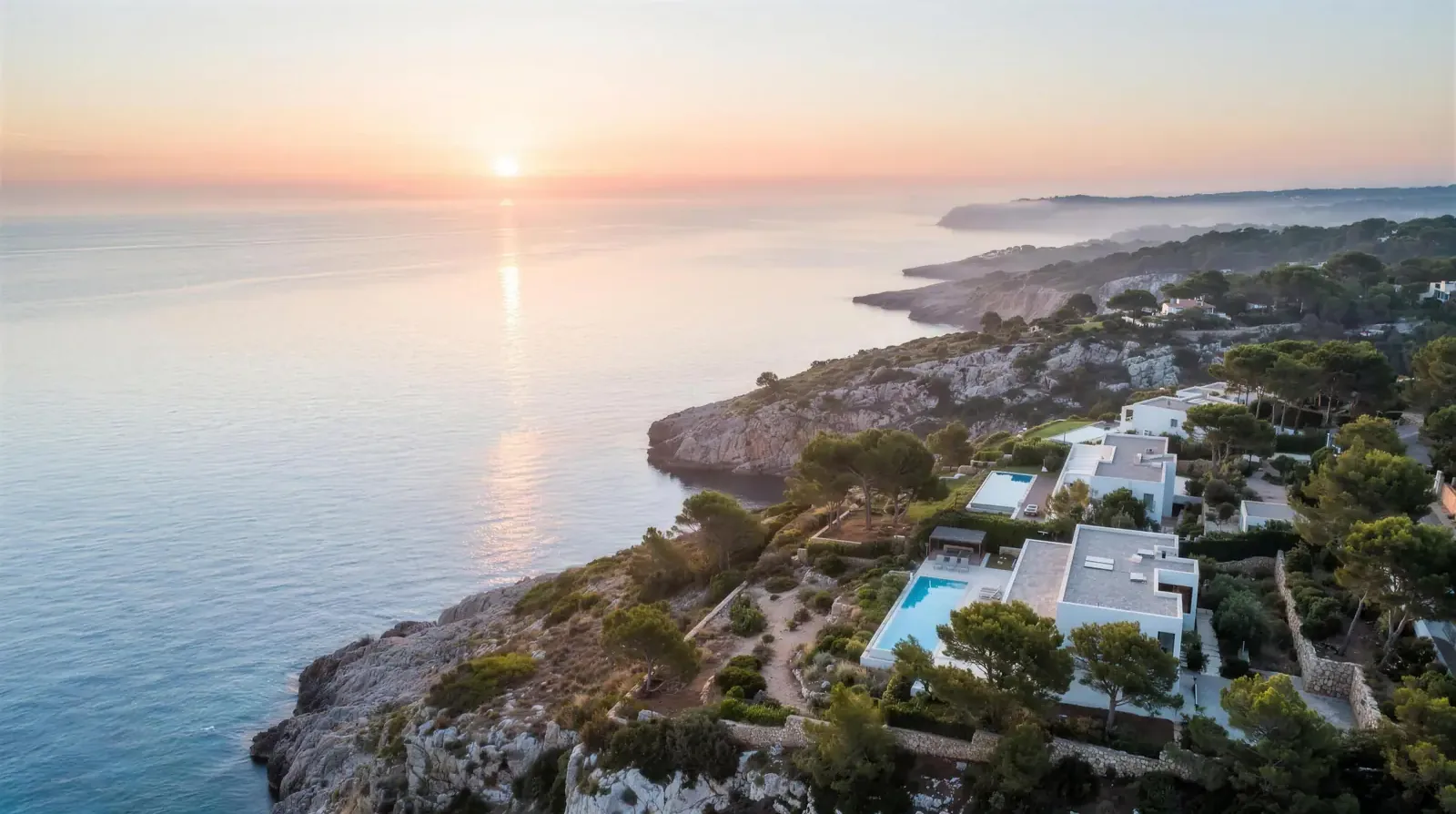
Look at where your guests come from
You already have the data. The nationality of your bookings on Booking and Airbnb, the countries in your analytics, the language of the messages you get. Two or three usually explain most of the revenue.
In Uruguay that is Spanish, Portuguese for Brazilian travellers and English for everyone else. On a Greek island it is English first, then German, French and Italian. It has little to do with the size of the language and everything to do with who flies to you.
Two languages done well beat six half done
A half-translated site is worse than a site in one language: the guest hits a form in a language they do not read exactly when they were about to pay. If you cannot maintain a language, do not publish it.
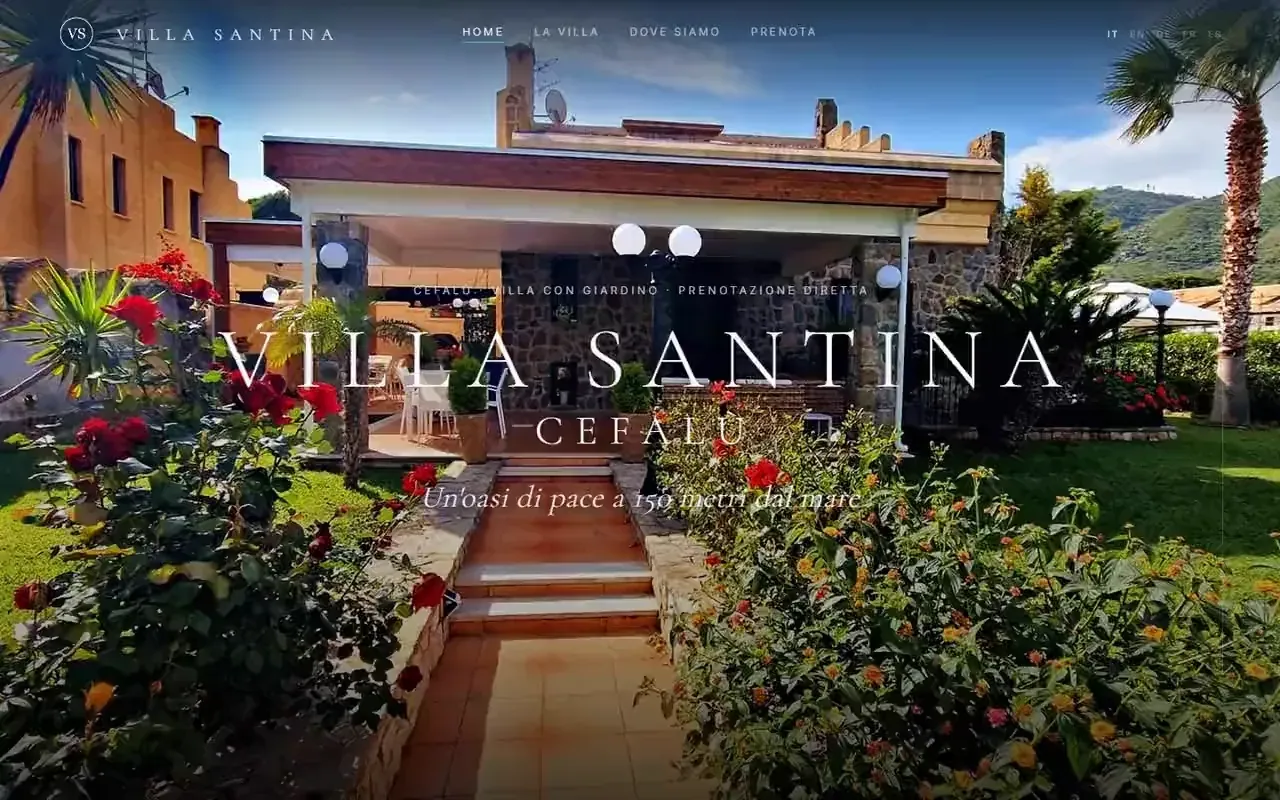
How it is done properly
- One URL per language (/en/, /pt/), not a button that swaps text on the fly.
- hreflang tags so Google shows each visitor the right version.
- Everything translated: menus, forms, error messages, automatic emails, the calendar.
- Dates and currency in the local format, which is where most sites give themselves away.
- Human translation, or machine translation reviewed by someone who speaks it.
What a translate widget actually does
It does not create pages, so search engines have nothing to index: you will not appear in searches in that language. It breaks layouts, translates proper nouns (your hotel becomes something else entirely) and it leaves the forms and emails in the original language.
It is a patch for a visitor who is already on your site, not a way to be found by someone who is not.
What it costs to keep
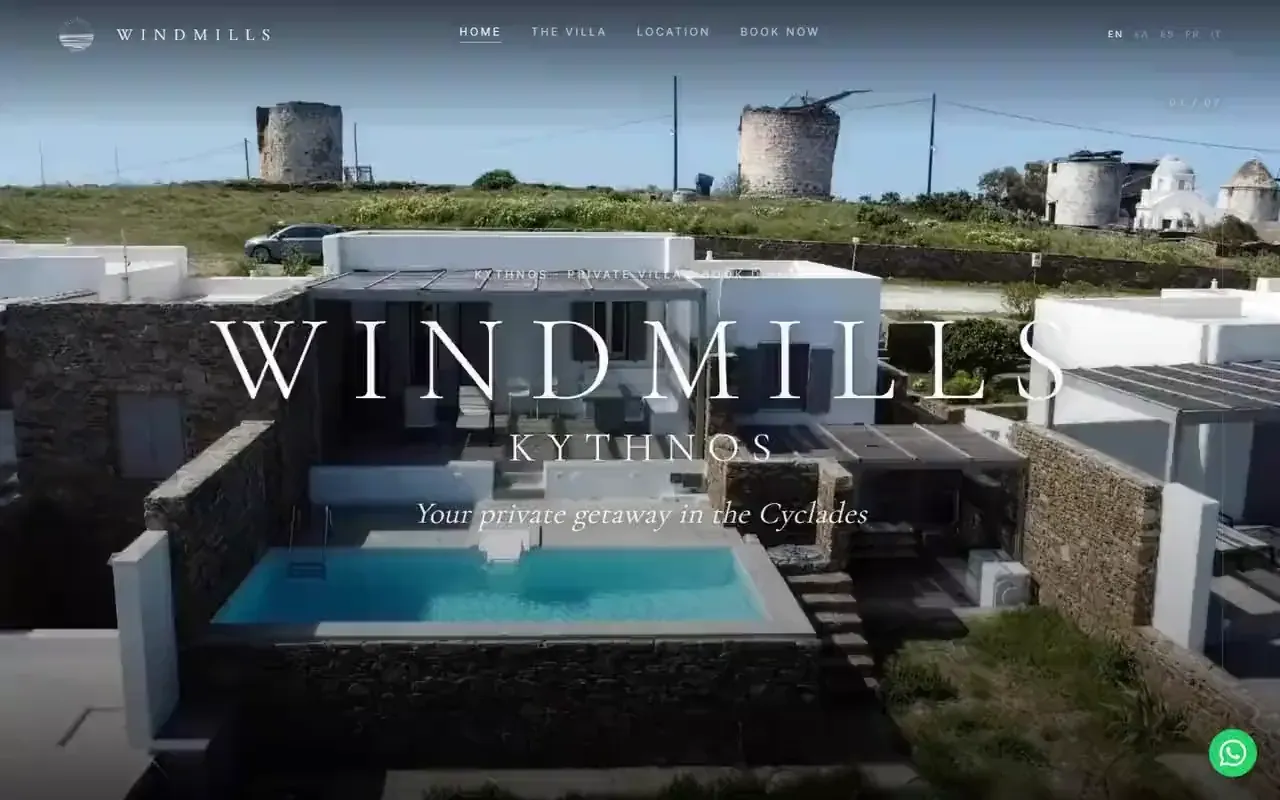
Every price change, new room or new photo caption has to travel to each language. That is why we build the languages into the site from the start, from a single source of texts: the sites we make for villas and hotels ship in five or six languages and stay in sync when something changes.
The order to add them in
Nothing says everything has to be translated at once. First the path that ends in a booking: the home, the page for what you rent, the calendar, the form and the automatic emails. Then the content that brings people in from search, which is where a language starts to pay for itself.
- First: the booking flow, prices, policies and the emails that leave your site.
- Then: the pages about the area, the beaches and how to get there.
- Last: the blog and anything that can live in one language without hurting.